How Tool Libraries Actually Work: A First-Timer’s Guide
A walkthrough of membership, borrowing limits, and etiquette so your first tool library visit feels easy.
6 min readBy Dave Kowalski
Table of Contents
What a Tool Library Actually Is
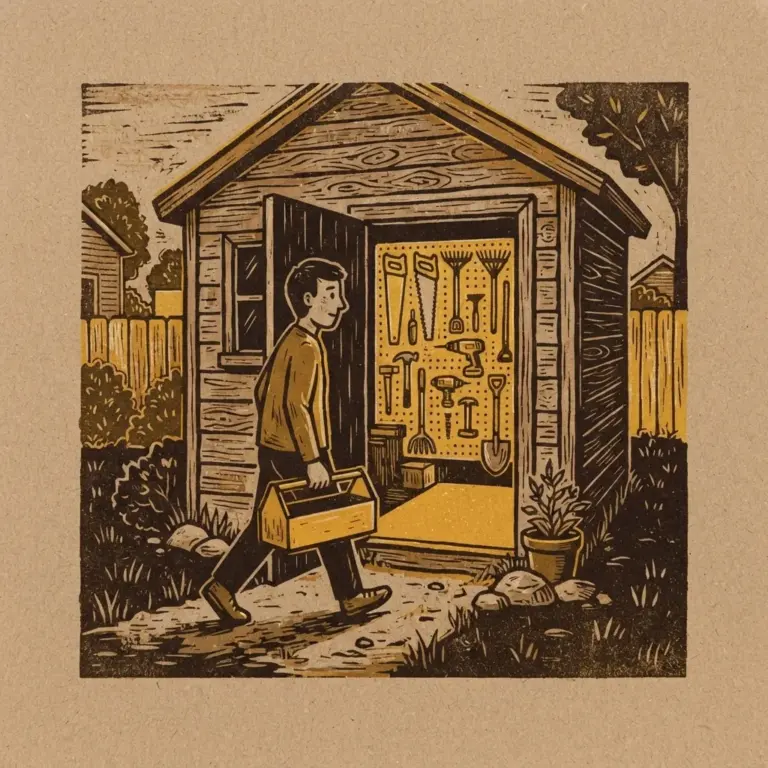
Picture a regular library, but instead of shelves of novels, you’ve got rows of drills, ladders, tile saws, and post-hole diggers. That’s a tool library in a nutshell: a shared collection of tools that members can borrow for free or for a small fee, usually for a few days to a couple of weeks, then return for someone else to use.
Most tool libraries are run by nonprofits, community organizations, makerspaces, or sometimes a city’s public library system. They exist because most homeowners and renters only need a tile saw once every few years, or a pressure washer twice a summer. Buying one outright means it sits in a closet 360 days a year. A tool library lets a whole neighborhood share the cost of ownership instead of everyone buying their own.
The inventory varies a lot by location. Some tool libraries lean heavily into home improvement basics — drills, sanders, wrenches, wheelbarrows. Others stock specialty gear you’d never justify buying: carpet cleaners, camping equipment, party supplies, even cake pans in fun shapes. Bigger operations might have woodworking equipment, lawn and garden tools, or automotive basics like jacks and diagnostic scanners. It’s worth browsing the catalog online before you visit, since walking in expecting a specific tool that isn’t there is the most common first-timer letdown.
A quick note on scope: tool libraries are built around hand tools, power tools, and general equipment. They’re not the place to source parts or expertise for anything involving licensed electrical or gas work — that kind of job still needs a qualified professional, and most tool libraries won’t stock or lend for that purpose anyway.
Membership Fees and Borrowing Limits Explained
Almost every tool library requires some kind of membership before you can check tools out, even if the tools themselves are free to borrow. This isn’t a money grab — it’s how they track who has what and make sure gear comes back.
Membership structures generally fall into a few patterns:
- Flat annual fee. You pay once a year and borrow as much as the rules allow. Fees differ widely by organization and region, so check the specific tool library’s website or call ahead rather than assuming a number.
- Sliding scale or income-based fee. Many nonprofit tool libraries offer reduced membership rates for people who need it, sometimes with a simple self-attestation rather than paperwork.
- Deposit-based system. Some libraries skip membership fees entirely and instead ask for a refundable deposit tied to the value of whatever you’re borrowing, returned when the tool comes back undamaged.
- Volunteer-supported access. A number of tool libraries reduce or waive fees for members who volunteer a few hours a month sorting inventory, doing repairs, or staffing the front desk.
Borrowing limits also vary. It’s common to see caps like “five items at a time” or “one large power tool plus a few small hand tools,” with loan periods ranging from about a week to two weeks. Popular items — pressure washers, floor sanders, extension ladders — often get shorter loan windows or a waitlist system since demand outpaces supply, especially in spring and fall when everyone’s doing yard work at once.
Late fees exist at most tool libraries, though they tend to be modest and more about encouraging timely returns than generating revenue. Some organizations instead just pause your borrowing privileges until the overdue item comes back. Ask about the specific policy when you sign up so you’re not caught off guard.
One thing to check before joining: proof of residency or ID requirements. Many tool libraries restrict membership to people living within a certain city, county, or service area, since they’re often funded by local grants or municipal support. Bring a driver’s license or a piece of mail with your address just in case.
How Checkout and Return Work
The actual borrowing process is refreshingly low-tech compared to what you might expect. Here’s the general flow at most locations:
- Browse or reserve online. Many tool libraries publish a searchable catalog so you can check availability before making the trip. If the tool you need is popular, look for a reservation or hold system so you’re not showing up to an empty shelf.
- Check in with staff or a volunteer. At the desk, you’ll show your membership card or ID, and someone will pull the item or confirm it’s ready if you reserved it.
- Inspect before you leave. This is the step first-timers skip and later regret. Take two minutes to check that the tool works, that all the parts and accessories are included, and that any existing damage is noted on your checkout slip. If a drill’s battery is dead or a saw blade is dull, say so before you walk out the door — otherwise you may get blamed for it later.
- Sign the loan agreement. Most libraries have you sign something simple stating the due date and confirming the tool’s condition. This protects you as much as them.
- Return by the due date. Bring the tool back clean and complete, and get a confirmation — verbal or written — that the return was received in good condition. Don’t just drop it in a bin unattended if the library expects an in-person check-in; that leaves no record that you returned it on time.
If you need a tool longer than the standard loan period, ask about renewals before the due date rather than after. Many tool libraries will extend your loan by a few days or a week if nobody else is waiting on that item, but they can’t do that retroactively once you’re already overdue.
Some organizations also offer basic instruction if you’re unfamiliar with a tool. Don’t be shy about asking — a volunteer showing you how to properly load a miter saw or adjust a hedge trimmer takes five minutes and can prevent both an injury and a damaged tool.
Etiquette for Returning Tools in Good Shape
Tool libraries run on trust and shared responsibility, so a little extra care on your end keeps the whole system working for everyone else.
- Clean it before you return it. Wipe off sawdust, hose off mud, empty out grass clippings. Nobody wants to check out a lawn tool caked in someone else’s yard debris, and a lot of libraries will ask you to re-clean it on the spot if it’s not up to standard.
- Return all the accessories. Chargers, blades, extension cords, carrying cases — if it came with the tool, it goes back with the tool. Losing a small attachment is one of the most common (and most frustrating) return issues.
- Report problems immediately, even minor ones. If something broke, jammed, or started making a weird noise while you were using it, tell staff right away rather than hoping nobody notices. Most tool libraries are understanding about normal wear and accidental issues, especially if you’re upfront. It’s the tools that come back silently broken that erode trust for future borrowers.
- Don’t modify or “improve” shared tools. Swapping in your own blade or adjusting settings without resetting them makes the next borrower’s experience worse. Return everything the way you found it, functionally speaking.
- Be realistic about your timeline. If you know a project is going to run long, ask about renewal early rather than just keeping the tool past due. Someone else may be counting on that ladder or tile cutter the day after you.
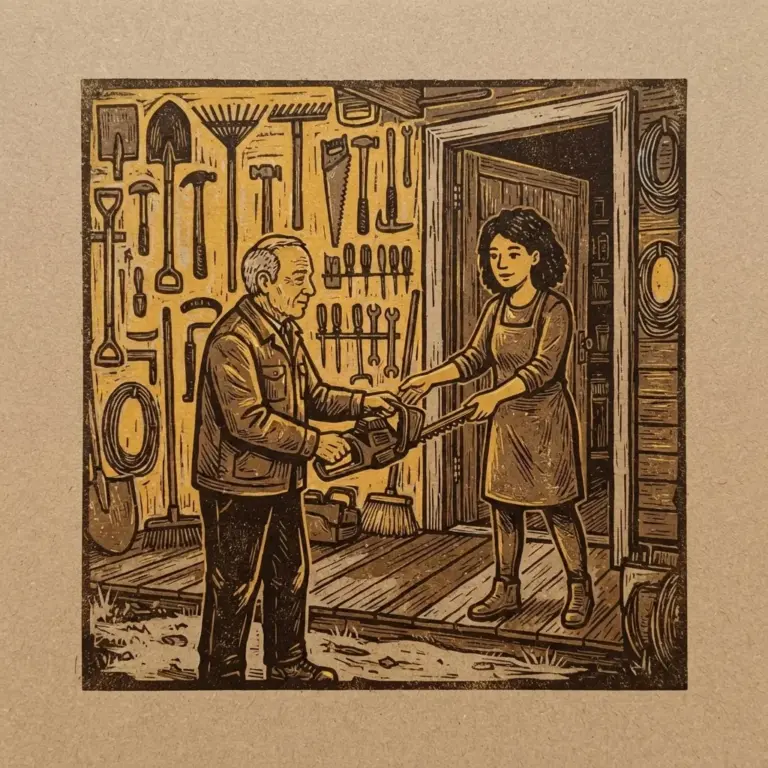
- Consider giving back beyond returns. Many tool libraries survive on volunteer hours and donated tools in good condition. If you’ve got a working tool gathering dust at home, or a free afternoon to help sort inventory, that’s how these places stay stocked for the next person.
Once you’ve done it a time or two, the whole process starts to feel as routine as returning a library book — except instead of finishing a novel, you’ve finished patching drywall, staining a fence, or replacing a leaky faucet, all without buying a single specialty tool you’d only use once. That’s the whole point: shared stuff, shared savings, and a community system that works because everyone treats it like it’s their own garage.