How to Set Up a Skill Swap With Your Neighbors
A practical framework for trading skills like tutoring, gardening, or handyman help with people nearby.
5 min readBy Dave Kowalski
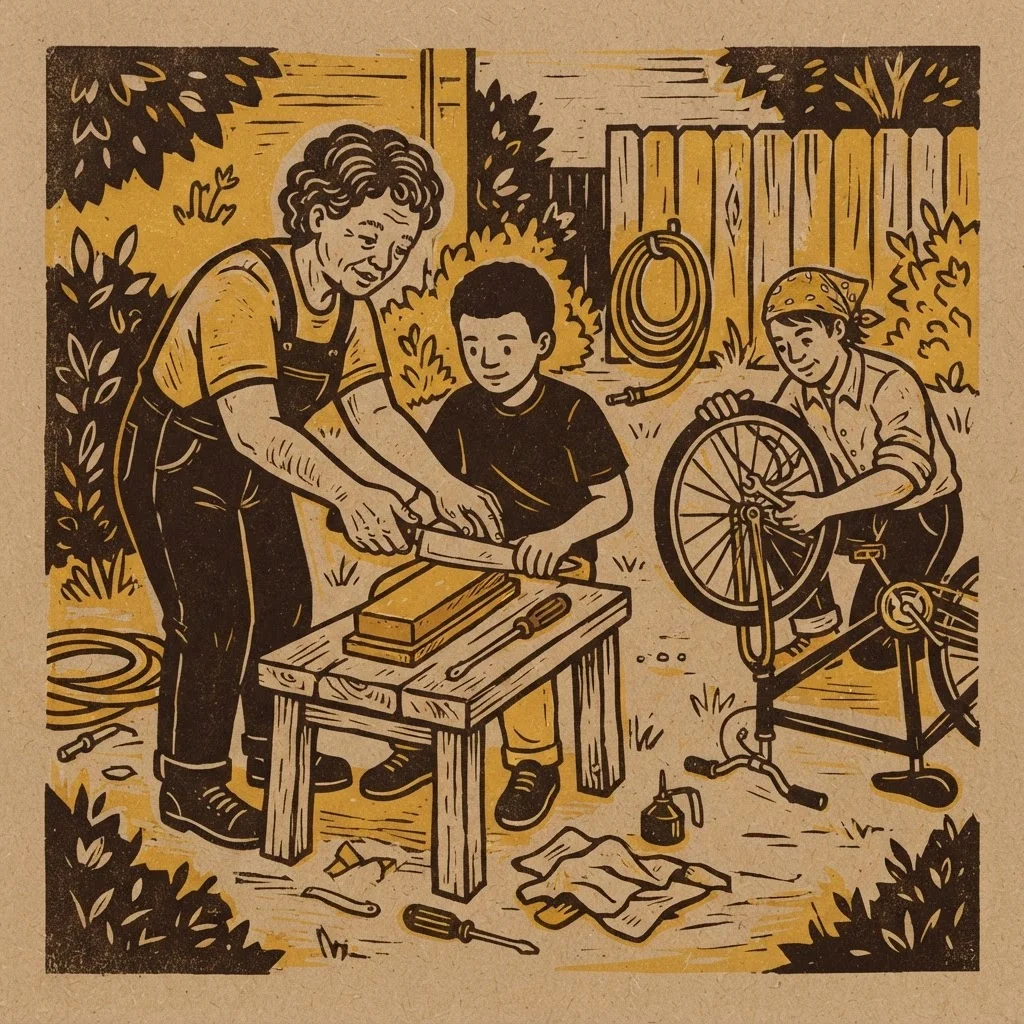
Table of Contents
Every neighborhood already has everything it needs—it’s just scattered across garages, back porches, and heads full of know-how that never gets mentioned at the mailbox. A skill swap is just a way of making that stuff visible and usable. No app subscription, no cash changing hands, no forms. You’re simply trading what you’re good at for what someone else is good at. Here’s how to actually get one going, from figuring out what you bring to the table to keeping it running past the first exchange.
Figuring Out What Skills You Can Offer
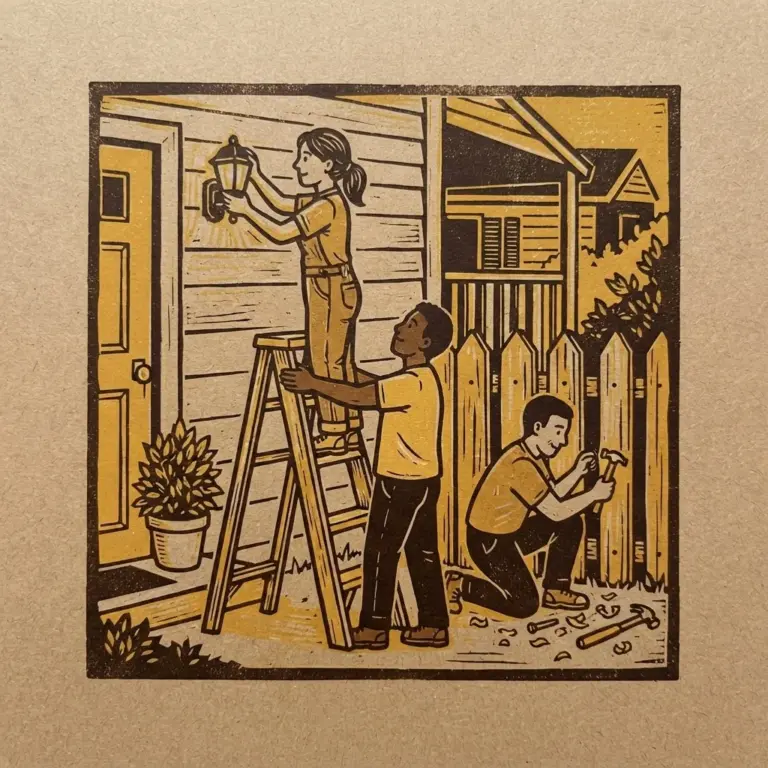
Most people undersell themselves here. You don’t need to be a licensed contractor or a certified tutor to have something worth trading. Think in three categories: things you can do with your hands, things you know that took you years to learn, and things you have extra of—time, tools, or space.
- Hands-on skills: basic carpentry, sewing and mending, bike repair, painting, furniture assembly, yard work, hauling, moving help, pet sitting, cooking in bulk, canning or preserving.
- Knowledge skills: tutoring in a subject or language, resume help, basic computer troubleshooting, budgeting spreadsheets, sourdough starters, houseplant care, sewing patterns, music lessons.
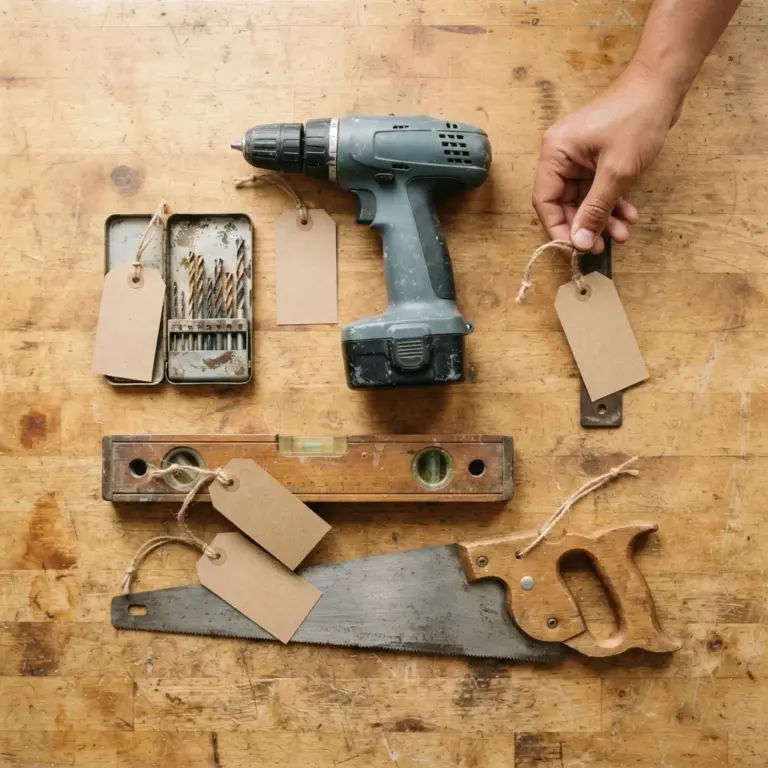
- Capacity skills: a truck for hauling, a big freezer, a yard for kids to play in, a car for occasional rides, tools you already own that others might need to borrow along with your know-how.
Write down five things without filtering for whether they seem “swap-worthy.” A neighbor who’s never patched drywall might think your ability to do it in an afternoon is basically magic. Ask a couple of people who know you well what they’d come to you for—you’ll usually get answers you wouldn’t have listed yourself.
Be Honest About Limits
Stick to the kind of help that doesn’t require a license or specialized safety training. Basic repairs, tutoring, gardening, and general handyman tasks are all fair game. Anything involving wiring, gas lines, structural work, or your neighbor’s furnace is a job for a licensed pro, swap or no swap—flag that boundary early so nobody assumes more than you’re offering.
Finding Neighbors Willing to Trade
You don’t need a huge network to start—five or six households is plenty for a first round. The goal is finding people who are both willing and reasonably reliable, which matters more than finding people with impressive skills.
- Start with who you already know. The neighbor you wave to, the parent from school pickup, the person two doors down who’s always outside gardening. A short, direct conversation works better than a flyer: “I’m setting up something informal where a few of us trade skills instead of paying for help. Would you want in?”
- Use existing gathering points. Community bulletin boards, neighborhood association meetings, local online groups, or even a laundromat corkboard. A simple sign-up sheet with a name, skill offered, and skill wanted goes a long way.
- Piggyback on tool libraries and repair cafes. If your area has one, it’s already a room full of people who believe in sharing over buying. Bring up the idea there—you’ll find willing partners fast.
- Keep the group small on purpose. A tight circle of known, trusted people is easier to manage than a big open list. You can always grow it later once the pattern is working.
When you’re recruiting, lead with specifics instead of vague enthusiasm. “I’ll patch drywall or help move furniture in exchange for someone tutoring my kid in math” gets a far better response than “anyone want to do a skill swap?”
Make a Simple List
Once you’ve got a handful of interested neighbors, put together a one-page list—paper, shared doc, group text, whatever’s easiest—with names, what each person offers, and what they’re hoping to get. This becomes your informal directory. Nobody has to remember who’s good at what off the top of their head; they just check the list.
Setting Fair Terms Without Using Cash
This is the part people worry about most, and it’s simpler than it sounds. The trick is to stop thinking in dollars and start thinking in time and effort.
- Hour-for-hour is the easiest default. An hour of tutoring for an hour of yard work. It’s not a perfect economic match, but perfect isn’t the goal—fair enough that both people feel good is.
- Match effort, not market value. Skip the mental math of “what would this cost if I hired someone.” That’s a fast way to make people feel shortchanged. Instead, ask whether both sides feel the trade is reasonably even given the time and hassle involved.
- Agree on scope before you start. “I’ll help you weed the front bed for an hour” is clearer than “I’ll help with your garden.” Vague scope is where swaps go sideways—someone expects a full afternoon, the other person planned for thirty minutes.
- Decide upfront who covers materials. If a repair needs paint, screws, or fabric, agree on that before the work starts, not after. A common approach: whoever needs the help supplies the materials, and the swap only covers the labor and know-how.
- It’s fine for trades to be uneven sometimes. Maybe you help someone move a couch and they walk your dog for a week. Not every swap needs to balance perfectly in the moment—what matters is that it balances out over time, so nobody feels like they’re always the one giving more.
If you want a little more structure, some communities use time banking, where hours are tracked like a currency—an hour of anyone’s help equals an hour of credit, regardless of the task. That works well for bigger groups but isn’t necessary for a small neighborhood swap. For a handful of households, a running mental tally (or a shared notes app) is usually enough.
Keeping Swaps Simple and Repeatable
The first trade is easy because everyone’s motivated and paying attention. The real test is whether it happens again a month later. A few habits make that more likely.
- Confirm details in writing, even casually. A text that says “Saturday 10am, I’ll bring the mower, you’ll help me set up the raised bed” prevents the fuzzy misunderstandings that kill goodwill.
- Keep a running list of who owes whom. It doesn’t need to be formal—a shared note or group chat works fine. The point is that nobody has to keep score from memory, which is where resentment quietly builds.
- Start small and let trust build. Don’t kick things off with a big weekend project. A one-hour trade is low-risk and gives everyone a feel for how reliable the other person is before committing to something bigger.
- Check in after each swap. A quick “that worked well, want to do it again sometime?” keeps the relationship active instead of one-and-done.
- Rotate who initiates. If the same person is always the one organizing, it’ll quietly become their job and eventually fizzle. Encourage others in the group to propose trades too.
- Revisit the list seasonally. Skills and needs change—someone who needed gardening help in spring might have snow-shoveling capacity to offer in winter. A quick refresh every few months keeps the list useful instead of stale.
None of this needs to be complicated to work. The neighborhoods where skill swaps stick around aren’t the ones with the fanciest tracking system—they’re the ones where a few people decided to be reliable, said yes to small trades, and kept showing up. Start with one trade, make sure it feels fair, and let the rest build from there.