What Is a Repair Cafe and How Do You Bring Something to One
Everything to know about repair cafes, from what fixers can tackle to how to prep your broken item.
6 min readBy Dave Kowalski
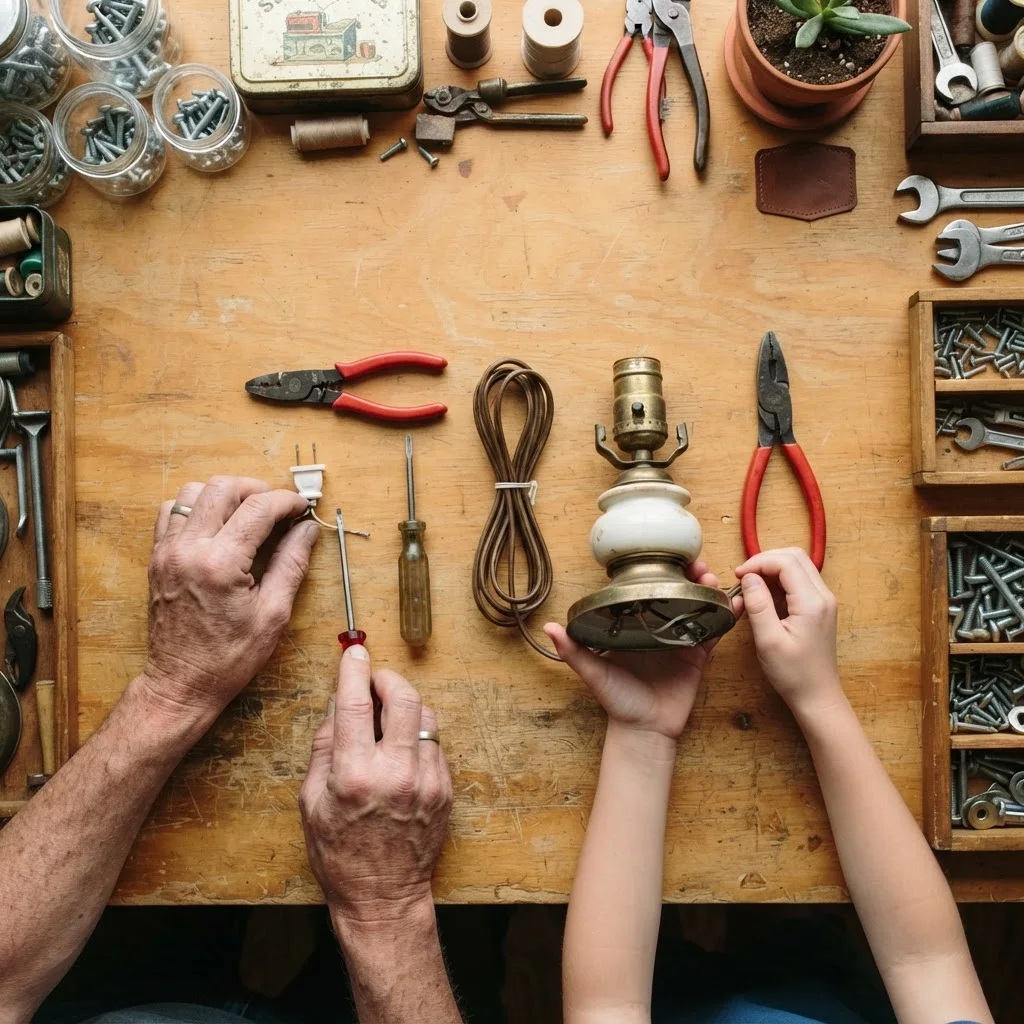
Table of Contents
The Repair Cafe Concept
A repair cafe is a pop-up event, usually held in a library, community center, or church basement, where volunteer fixers set up shop for a few hours and help neighbors mend things instead of tossing them. Think of it as a cross between a garage workshop and a potluck: there’s coffee, there’s conversation, and there’s someone with a soldering iron patiently coaxing your lamp back to life while you watch and learn.
The idea started in the Netherlands and has since spread to towns and cities across the US, often organized by volunteers, sustainability groups, or local libraries. There’s no single national chain running these events, so the best way to find one near you is to search your city or county name along with “repair cafe,” check community bulletin boards, or ask at your local library, which often hosts or knows about them.
The core philosophy is simple: a huge number of household items get thrown away not because they’re truly broken beyond saving, but because nobody around has the specific know-how or the five spare minutes to fix them. Repair cafes exist to supply both. They’re free to attend, staffed by volunteers who fix things because they enjoy it, and built on the idea that keeping stuff out of the landfill and money in your pocket is worth a Saturday morning.
Unlike a repair shop, nobody is promising a guaranteed fix. You’re not paying for a service; you’re borrowing someone’s skill and time for free, with the understanding that some things are beyond saving. But the success rate for common household items is genuinely good, and even when something can’t be fully fixed, you usually walk away knowing more about why it failed.
What Kinds of Items Volunteers Typically Fix
Repair cafes tend to draw a particular crowd of volunteers: retired tradespeople, hobbyist tinkerers, sewing enthusiasts, and folks who just like taking things apart. That means the sweet spot for what gets fixed leans toward mechanical and textile problems rather than anything requiring a license.
Common categories of items people bring in include:
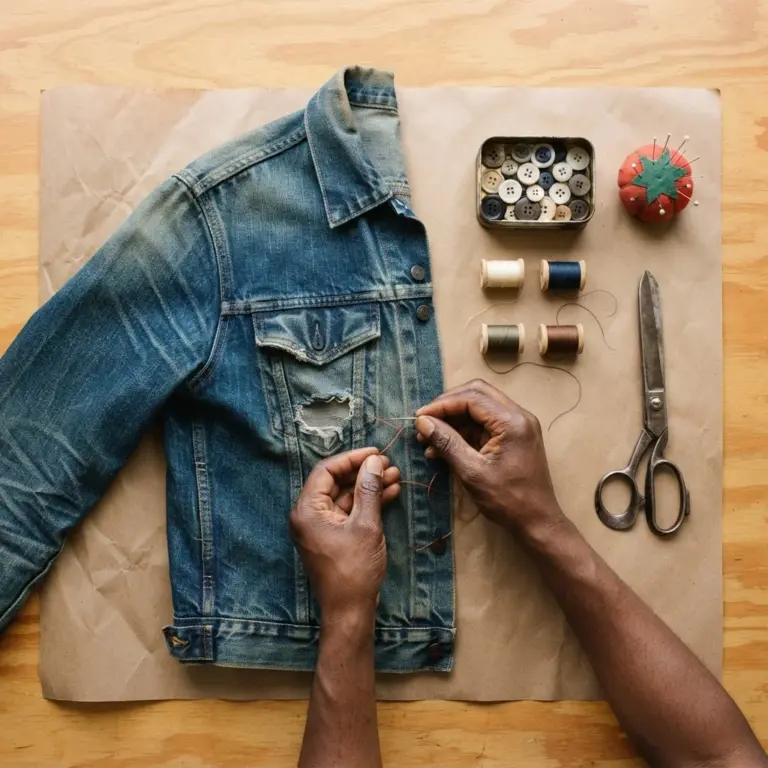
- Clothing and textiles: torn seams, stuck zippers, missing buttons, hemming, patching worn knees or elbows
- Small mechanical items: mechanical clocks, toys, luggage with broken wheels or handles, umbrellas, bikes needing tune-ups
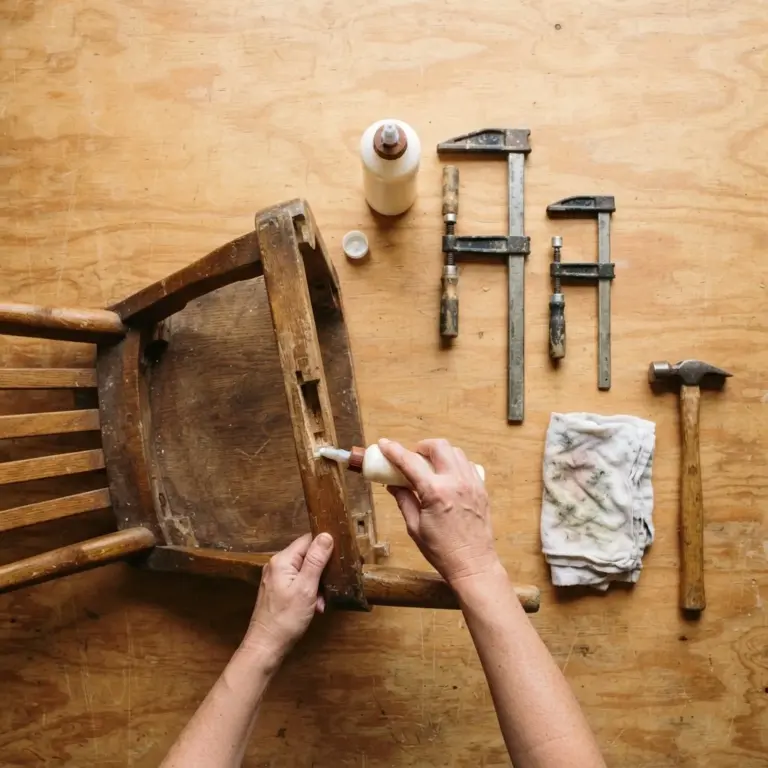
- Furniture: wobbly chairs, loose drawer joints, sticking hinges, scratched wood finishes
- Household goods: vacuum cleaners with clogs or belt issues, blenders and mixers with mechanical (not wiring) problems, garden tools, knives needing sharpening
- Electronics with simple mechanical faults: laptops with sticky keys or loose ports, headphones with frayed cords, battery-powered gadgets
- Jewelry and accessories: clasps, loose stones, watch bands
Some repair cafes have volunteers skilled in basic electronics troubleshooting, and they may be willing to look at small battery-operated devices or diagnose why something won’t turn on. However, most repair cafes draw a firm line at anything involving household electrical wiring, gas lines, or major appliances like furnaces, water heaters, stoves, or built-in ovens. That’s not because volunteers are being cautious for no reason: repairs on gas or line-voltage electrical equipment typically require a licensed professional, and reputable repair cafes will tell you so upfront rather than risk anyone’s safety.
If you’re not sure whether your item qualifies, it’s worth checking the event’s website or calling ahead. Many post a rough list of what their volunteer fixers specialize in that month, since the mix of skills varies from event to event depending on who shows up to volunteer.
How to Prepare Your Item Before You Arrive
A little prep work goes a long way toward making your repair cafe visit smooth and successful. Volunteers have limited time with each visitor, so anything you can do beforehand means more of that time goes toward the actual fix.
Clean it up
Give your item a basic once-over before you leave the house. A dusty blender, a muddy garden tool, or a pet-hair-covered cushion is harder and less pleasant to work on. You don’t need it spotless, but removing obvious grime helps the volunteer see what’s actually wrong instead of digging through debris.
Know its history
Think through when the problem started and what, if anything, happened right before it broke. Did the zipper snag on something? Did the blender make a grinding noise before it stopped? Did the chair leg wobble gradually or snap suddenly? This kind of detail helps a volunteer diagnose faster than starting from scratch.
Bring the extras
If you have the original manual, a spare part, or even the box it came in, bring it along. For clothing repairs, bring matching thread or buttons if you have them, though most repair cafes keep a small stash of basics on hand. For electronics or battery-powered items, bring the charger or power source so the volunteer can test it properly.
Set realistic expectations
Some fixes take five minutes; others take considerably longer or require a part that isn’t on hand. Go in open to the idea that your item might need a return visit, or that the volunteer might diagnose the problem but not have the exact tool or part to finish on the spot. That’s still valuable information, since it tells you what to look for or ask about elsewhere.
Do a quick safety check
If your item plugs into the wall, unplug it and let it cool or rest before transport. Empty any liquids, fuel, or batteries that could leak. Basically, treat it the way you’d treat something going through airport security: no surprises, nothing leaking, nothing sharp poking out unexpectedly.
What to Expect During Your Visit
Walking into your first repair cafe is a bit like walking into a potluck where you don’t know anyone yet, but everyone’s friendly and eager to help. Here’s roughly how the visit tends to unfold.
You’ll likely check in at a table near the entrance, where a volunteer coordinator jots down what you’ve brought and points you toward the right specialist, or asks you to wait your turn if things are busy. Many repair cafes operate on a first-come, first-served basis, so arriving earlier in the event window usually means shorter waits, especially for popular categories like sewing repairs or small appliances.
Once you’re paired with a fixer, expect to sit or stand alongside them while they work, rather than dropping your item off and leaving. This is intentional. Repair cafes aren’t a drop-off repair service; they’re a teaching moment. The volunteer will typically talk through what they’re finding and doing as they go, and many will actively invite you to hold the flashlight, thread the needle, or try the tool yourself. If you’re the type who likes to understand how things work, this is where a repair cafe really shines. You leave not just with a fixed item but with a little more confidence about tackling similar problems yourself next time.
Some events ask for a small voluntary donation to cover the cost of parts, thread, or the venue rental, though attending itself is free and no one will turn you away for not paying. Bring a few dollars just in case, but don’t let lack of cash stop you from showing up.
Not every item can be saved, and a good volunteer will tell you honestly if that’s the case rather than stringing you along. Sometimes the verdict is that a part is discontinued, the damage is too extensive, or the item genuinely isn’t worth the labor compared to replacement. Even then, most people leave with useful information: what actually went wrong, whether it’s worth seeking a specialist, or how to prevent the same failure with a replacement item.
Finally, treat the event as a two-way exchange rather than a transaction. Volunteers are donating their time and knowledge because they like doing it, so a genuine thank-you, a small donation if you’re able, and maybe even a returned favor down the line, like volunteering your own skills at a future event, keeps the whole system running. That’s the real engine behind repair cafes: not charity, but neighbors trading know-how so fewer useful things end up in the trash.