The Best Ways to Give Away Furniture You No Longer Need
Practical options for rehoming couches, tables, and dressers quickly without a landfill trip.
5 min readBy Dave Kowalski
Table of Contents
Sizing Up Whether It’s Donation or Freecycle Material
Before you drag that dresser to the curb, take a minute to figure out what category it actually falls into. Not all unwanted furniture is created equal, and matching the piece to the right rehoming method saves you time and keeps it out of a landfill.
Ask yourself three quick questions:
- Is it structurally sound? Drawers that slide, legs that don’t wobble, and joints that aren’t cracked mean the piece has real use left in it.
- Is it clean and odor-free? Pet hair vacuums out. Smoke smell and deep mildew usually don’t, and most people (donation centers included) will pass on anything that smells off.
- Is it a size or style someone can realistically use? A queen mattress in great shape is easy to place. A enormous entertainment center built for an old tube TV is a much tougher sell.
If a piece checks those boxes, it’s genuinely donation-worthy or freecycle-worthy, meaning a charity thrift store, a local nonprofit, or a neighbor on a giving app would be glad to take it off your hands. If it’s broken beyond a quick fix, waterlogged, or infested, be honest with yourself: that’s a bulk trash pickup or transfer station situation, not something to pass along and hope someone else deals with. Trying to offload genuinely unusable furniture just shifts your hauling problem onto a stranger, and it burns goodwill in the free communities you’ll want to use again later.
One more sizing-up trick: measure it. Note the width, depth, height, and especially anything that has to fit through a doorway or stairwell. You will get asked “will this fit in my apartment” more than once, and having exact dimensions ready is the difference between a fast claim and a dead conversation.
Local Groups That Specialize in Furniture Pickup
Furniture is bulky, which means the “just drop it off” model that works for a bag of clothes doesn’t really apply. The good news is that plenty of local organizations exist specifically to solve the pickup problem for you.
Charity Pickup Services
Many larger secondhand and reuse-focused charities offer scheduled home pickups for furniture in good condition, often at no cost to you. Search for “furniture donation pickup” plus your city or region to see what’s active near you, and check their current list of accepted items before you call, since policies on mattresses, upholstered pieces, or damaged items shift over time and vary by organization.
Reuse and Habitat-Style Resale Stores
Nonprofit home-improvement resale stores that fund building projects are often eager for furniture, especially wood pieces, cabinets, and sturdy tables. They frequently run their own pickup trucks on set days of the week, so a quick call or online form can get you on the schedule.
Community and Mutual Aid Networks
Local mutual aid groups, often organized through neighborhood social media groups or messaging apps, regularly coordinate furniture for people who are moving into a new place with nothing. These groups tend to move fast and appreciate clear photos and honest condition notes up front. They’re also a great option when a piece is a little too worn for a formal charity but still perfectly usable.
Faith Communities and Resettlement Groups
Local congregations and refugee or resettlement support groups often maintain informal furniture banks for families setting up a household. A quick email or phone call to ask if they’re currently collecting can connect a couch or bed frame directly to someone who needs it that week.
Whichever group you go with, ask two things upfront: what condition they require, and whether they haul it out themselves or expect it curbside. That single question prevents a lot of wasted trips.
Photographing and Posting for Fast Claims
If you’d rather skip the phone calls and let a neighbor come grab it directly, posting online is usually your fastest route. Free listing groups and neighborhood apps move quickly on furniture, but only if your post gives people what they need to say yes immediately.
Take Photos That Do the Selling for You
- Shoot in daylight near a window or outdoors. Phone cameras struggle in dim rooms and everything looks dingier than it is.
- Get a straight-on shot of the whole piece, then a couple of detail shots showing any wear, stains, or scratches. People trust listings more when the flaws are shown, not hidden.
- Include something for scale, like a doorway or a chair next to it, so viewers get a real sense of size.
Write a Post That Answers Questions Before They’re Asked
A strong free-furniture post includes:
- Exact dimensions (width, depth, height)
- Material (real wood, veneer, upholstered, etc.)
- Condition, stated plainly, including any damage
- Why you’re getting rid of it (moving, upgrading, downsizing) — this small detail builds trust
- Pickup window and general location or neighborhood
- “First come, first served” or your preferred claiming method
Post to more than one place at once, such as a neighborhood app, a local buy-nothing or freecycle-style group, and a community marketplace. Furniture posts on these platforms often get claimed within hours, especially anything free, sturdy, and photographed well. Once someone commits, mark the listing as pending everywhere else so you’re not fielding a dozen messages about something that’s already spoken for.
A tip that saves everyone hassle: ask interested people to comment rather than message, so the thread shows a public timestamp of who asked first. It cuts down on the awkward “I thought I had it” situation.
Handling Pickup Logistics Safely
Giving something away for free doesn’t mean you skip common sense. A little planning keeps the handoff smooth and keeps you comfortable the whole time.
Meet in Daylight, Not After Dark
Schedule pickups for daytime hours when you can see who’s arriving and neighbors are generally around. If someone can only do evenings, consider a well-lit porch or driveway rather than inviting a stranger inside.
Have a Plan for the Heavy Lifting
Be upfront about what the recipient needs to bring: a truck or van, moving straps, a dolly, or an extra set of hands. If the piece has to come down stairs or through a tight hallway, mention it in advance so nobody shows up with the wrong vehicle or not enough people.
Decide Where the Exchange Happens
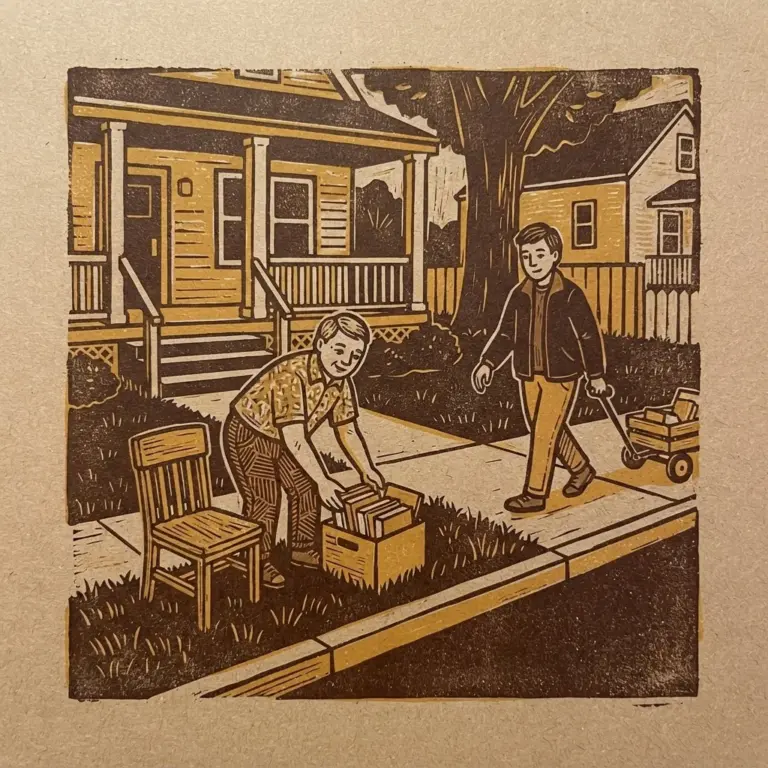
Curbside or garage pickups are simplest and keep the interaction brief and public. If a piece has to be moved from inside your home, it’s reasonable to ask the person to text when they arrive and to have a friend or family member around while the item is loaded.
Protect Your Space and Theirs
Clear a path before they show up. Wrapping edges or covering upholstery with an old sheet during the move protects both the furniture and your doorframes. If it’s raining or snowing, consider whether the pickup should be rescheduled rather than risk someone slipping on wet stairs with a heavy dresser.
Confirm, Then Let It Go
Send a quick address and a rough time window once plans are set, and ask for a text when they’re on the way. Once it’s loaded and gone, resist the urge to check in about “how it’s working out.” The exchange is complete, and that’s the whole point: a piece of furniture found a second life, and your space is clear, all without a landfill run or a bill to pay.