How Freecycling Networks Work and Where to Find One
An explainer on freecycling groups, their unwritten rules, and how to find active ones nearby.
6 min readBy Dave Kowalski
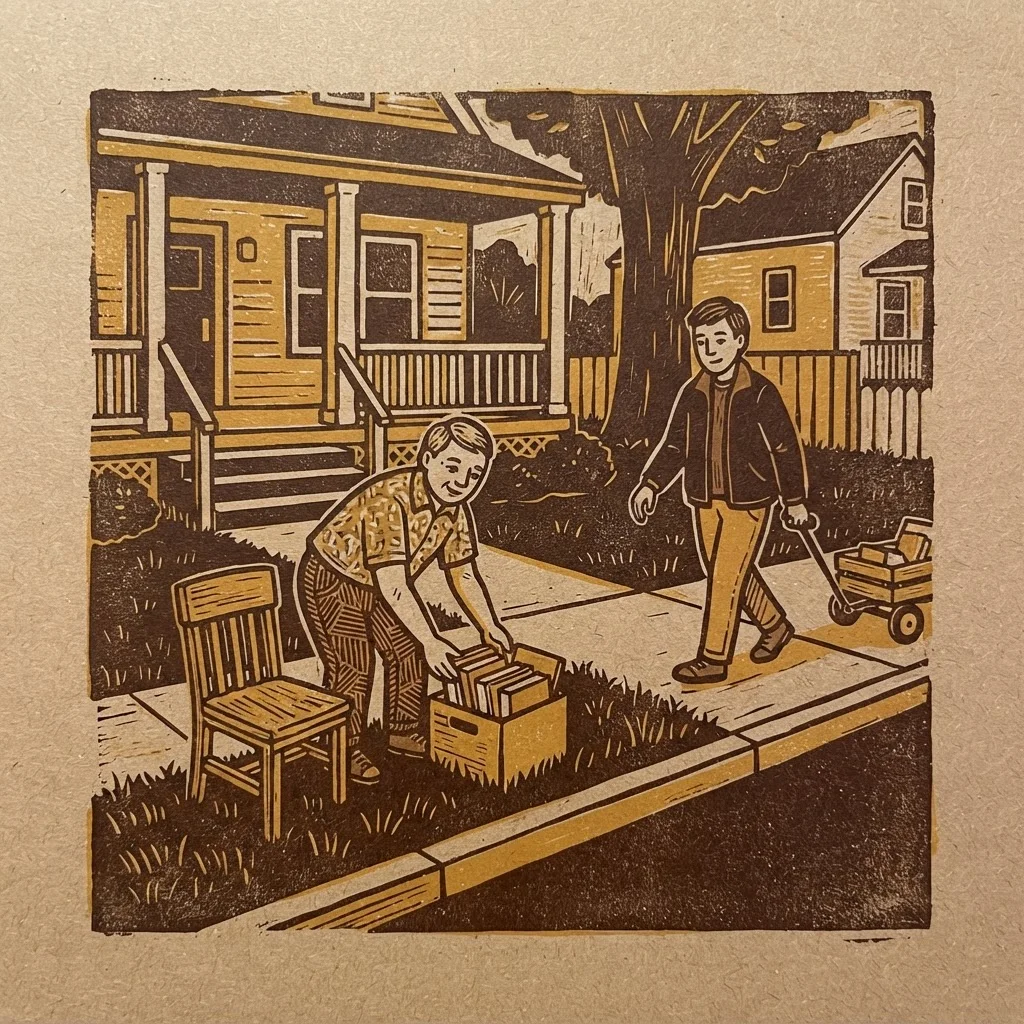
Table of Contents
The Basic Idea Behind Freecycling
Freecycling is about as simple as it sounds: you give away stuff you no longer need, and you get stuff you do need, and no money ever changes hands. It’s not a garage sale, it’s not a barter system, and it’s definitely not charity in the traditional sense. It’s more like a neighborhood-wide game of “one person’s clutter is another person’s treasure,” played out on local email lists, apps, and community boards.
The whole thing runs on a simple loop. Someone posts a photo of an old bookshelf, a box of kids’ clothes, or a half-used bag of potting soil. Someone else claims it, they work out a pickup time and place, and the item changes hands. No haggling, no cash, no strings attached. The person giving gets the satisfaction of not sending something useful to the landfill, and the person receiving gets exactly what they needed without spending a dime.
What makes freecycling different from just leaving furniture on the curb is the built-in community. You’re not hoping a stranger drives by at the right moment — you’re posting to a group of people who are actively looking for free things and who, in most cases, also give things away themselves. It’s a two-way relationship, even if you never interact with the same person twice.
The environmental angle matters too. A surprising amount of what gets freecycled would otherwise end up in a dumpster simply because selling it felt like too much hassle for too little money. Freecycling removes that friction. If something’s worth five dollars at a yard sale, most people would rather give it away in ten minutes than deal with pricing, posting, and negotiating for a week.
Popular Platforms and Local Groups to Check
Freecycling isn’t tied to one single app or website, which is both good and slightly annoying — it means you may need to check a few places to find the most active group in your area.
- The Freecycle Network: This is the original, the one that basically invented the modern movement. It’s organized by local chapters, usually run through a simple sign-up-and-post system tied to your town or county. Search for your city name plus “freecycle” to find your local chapter’s page.
- Buy Nothing groups: These operate mostly through a dedicated app, though many started as neighborhood-based social media groups. The philosophy is a little more community-focused than pure freecycling — there’s often more chatting, more “does anyone have a spare X” requests, and more emphasis on building neighborly relationships, not just moving items.
- Local marketplace apps and neighborhood social platforms: Many general-purpose community apps and neighborhood social networks have a free-stuff or “curb alert” section tucked into their marketplace features. These are worth checking even if you think of the app as mainly for something else.
- Local classifieds sites: Many general online classifieds sites still have a “free” category, and in some cities this is where the most active giveaway traffic actually happens, especially for bigger items like furniture and appliances.
- Community bulletin boards, both physical and digital: Libraries, community centers, co-ops, and local Facebook or Nextdoor-style groups often have their own informal giveaway threads. These are especially useful in smaller towns where the bigger platforms haven’t caught on.
If you’re not sure which platform is most active where you live, ask around — a quick post in any local community group asking “where’s the best place to find a local freecycle or buy-nothing group?” usually gets a fast answer. Activity levels vary a lot by neighborhood, so it’s worth joining two or three options and seeing which one actually has people posting and responding.
Posting Etiquette That Gets Items Claimed Fast
Freecycling groups tend to be self-policing communities with their own unwritten rules. Follow them and your stuff disappears within hours. Ignore them and you’ll get ghosted, ignored, or quietly removed from the group.
- Use clear, honest photos. Natural light, the actual item (not a stock photo), and any flaws visible upfront. People are far more likely to commit to something they can see clearly, and honesty here prevents wasted trips for both sides.
- Write a short, specific description. Include size, condition, and why you’re giving it away if it’s relevant (“moving, must go by Sunday” tells people something useful). Vague posts like “free stuff, come look” get far less engagement than “free oak dresser, three drawers, one handle missing.”
- Set a clear pickup window. Even something as simple as “available for pickup weekday evenings, front porch” saves a dozen back-and-forth messages. The easier you make it to grab the item, the faster it goes.
- Use “first come, first served” or a simple claiming system consistently. Most groups have a norm — either first person to comment gets it, or the poster picks based on need. Learn your group’s convention and state it plainly in your post so there’s no confusion.
- Mark the post as claimed or taken as soon as it’s spoken for. This is basic courtesy that keeps the whole system trustworthy. Nothing kills a group’s goodwill faster than people showing up for items that were already gone a day ago.
- Be flexible on timing when you can. The person picking up your old crib doesn’t always have a car and a free afternoon lined up instantly. A little patience on scheduling goes a long way toward keeping the exchange pleasant for everyone.
- Say thank you and confirm pickup. A quick “picked up, thanks so much!” comment closes the loop and builds the kind of reputation that makes people want to give to you again.
On the receiving end, the same courtesy applies: show up when you say you will, bring help if the item is heavy, and don’t ask the giver to deliver unless they’ve offered. Freecycling works because people trust each other to follow through, and that trust is the entire currency of the system.
What Not to Post and Why
Not everything belongs in a freecycle post, and knowing what to leave out will save you frustration and keep your local group running smoothly.
- Anything genuinely broken beyond simple fixing. A chair with a wobbly leg is fine — someone might want it for parts or a quick repair. A chair that’s snapped in half is just your trash wearing a free sign. If you’re not sure whether something’s fixable, a repair cafe or local fix-it meetup can sometimes tell you before you post it.
- Recalled or safety-flagged items. Old cribs, car seats, and certain baby gear are frequently subject to safety recalls, and passing them along without checking can put someone else’s kid at risk. A quick search of the item’s brand and model before posting is worth the two minutes it takes.
- Large appliances with electrical or gas hookups that you haven’t had inspected. A free dryer or stove might seem like a great giveaway, but if there’s any question about its wiring or gas line safety, it’s better to have it looked at by a qualified technician first, or be upfront that the buyer should before using it. Passing along a safety risk isn’t actually generous.
- Mattresses and heavily soiled upholstered furniture, unless your local group explicitly allows them. Many groups have specific rules against these because of pest and hygiene concerns. Check your group’s guidelines before posting anything upholstered that’s seen heavy use.
- Expired food, medications, or personal care products. These typically aren’t welcome on freecycle platforms and can raise real safety issues.
- Anything you wouldn’t want in your own home. This is the simplest gut check there is. If you’d be embarrassed to hand it to a friend, it’s probably not ready for freecycling either.
When in doubt, describe the item’s condition honestly and let the person claiming it decide. Most freecycling communities would rather see a slightly-worn-but-usable item with full disclosure than a surprise once someone gets it home.