What Happens to the Stuff You Give Away on Buy Nothing Groups
A behind-the-scenes look at how items posted for free actually get claimed and reused nearby.
6 min readBy Priya Desai

Table of Contents
You post a photo of that lamp you’ve been meaning to get rid of for six months, hit “publish” in your local Buy Nothing group, and then… what actually happens? If you’ve never given something away this way, the process can feel a little mysterious. Here’s the real, unglamorous play-by-play of how that lamp ends up in someone else’s living room instead of the landfill.
How Claiming and Pickup Usually Works
Most Buy Nothing groups run on a pretty simple rhythm, even though the exact rules vary by group and by platform. You post what you’ve got, people comment if they want it, and you pick a recipient. That’s the skeleton. The details are where it gets interesting.
- The comment scramble. Popular items (strollers, moving boxes, anything free and functional) can get a dozen comments within minutes. Some groups use a strict “first person to comment gets it” rule. Others encourage posters to ask a quick question — “who needs this most?” — and pick based on the answers.
- The “gratitude” post norm. Many groups have an unwritten (or written) expectation that recipients post a quick thank-you or photo of the item in its new home. This isn’t required everywhere, but it’s common enough that you shouldn’t be surprised if a moderator gently reminds people.
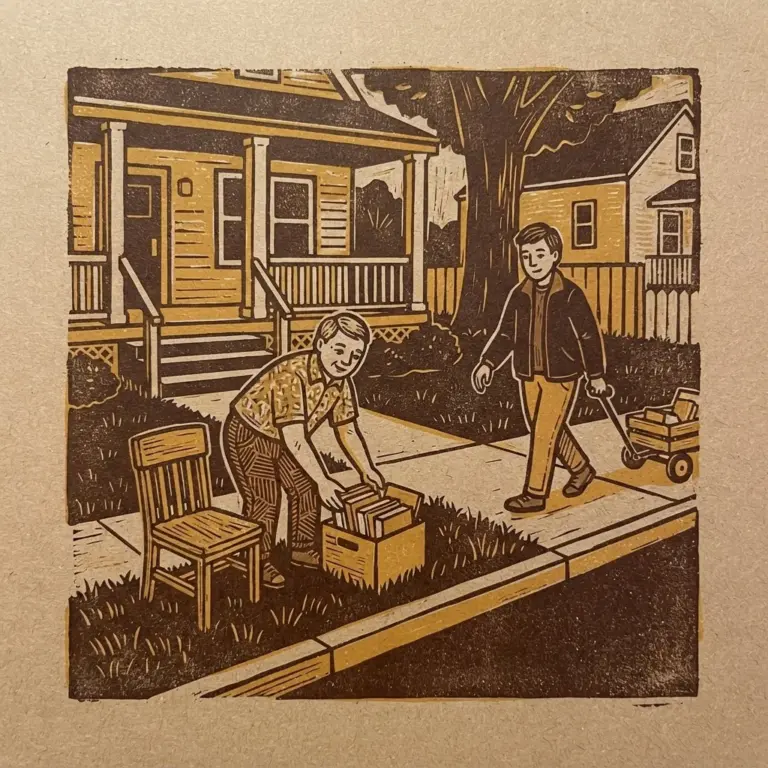
- Porch pickup is king. The overwhelming majority of exchanges happen without the giver and receiver ever really meeting. You set a time window, leave the item on the porch or by the mailbox, and text when it’s ready. This is partly for convenience and partly a safety norm that’s developed organically in most groups.
- No-shows happen. This is the single most common frustration among posters. Someone claims an item, goes quiet, and never shows up. Most experienced posters build in a grace period — say, 24 hours — before moving on to the next person in line.
- Some groups timestamp everything. To keep things fair, moderators may ask posters to note the exact time they posted and require claimers to comment (not just “like”) to be in the running. This protects against arguments over who technically claimed first.
None of this is standardized nationally — each group essentially writes its own etiquette rulebook, usually visible in the group description or pinned posts. If you’re new to a group, it’s worth a few minutes to read those rules before diving in. It’ll save you from an awkward misstep on your first post.
Who Tends to Use These Groups Most
The stereotype of Buy Nothing groups as a haven for minimalist declutterers is only part of the picture. In practice, the membership tends to be a mix of several overlapping groups:
- Parents of young kids. Kids’ gear turns over fast — outgrown clothes, teething toys, car seats nearing their expiration date — and buying secondhand or free is an easy way to keep up without constant spending.
- People in transition. New movers furnishing an apartment, folks between jobs, students setting up their first place. These groups are often quietly stocking a household from scratch, one free item at a time.
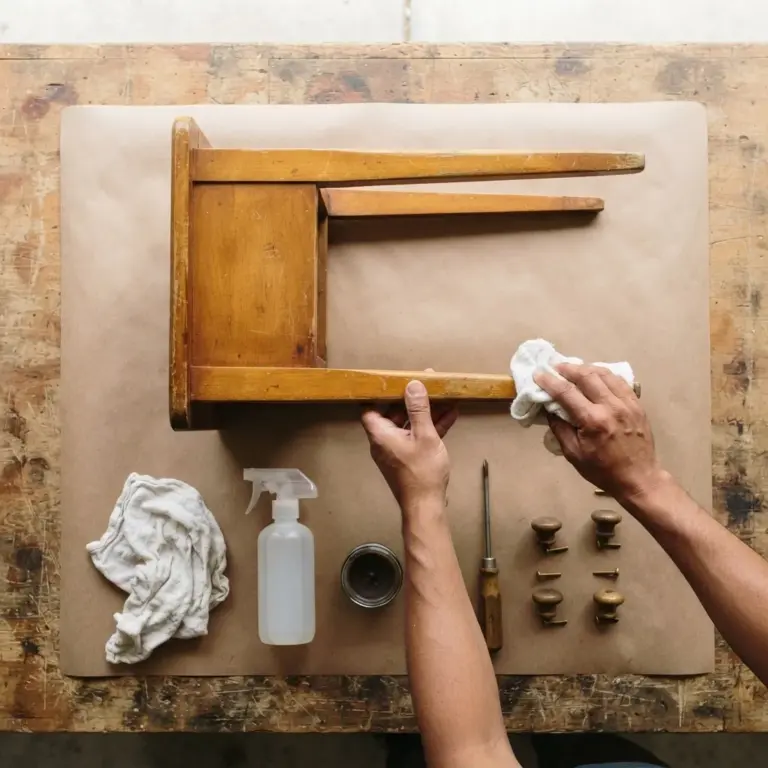
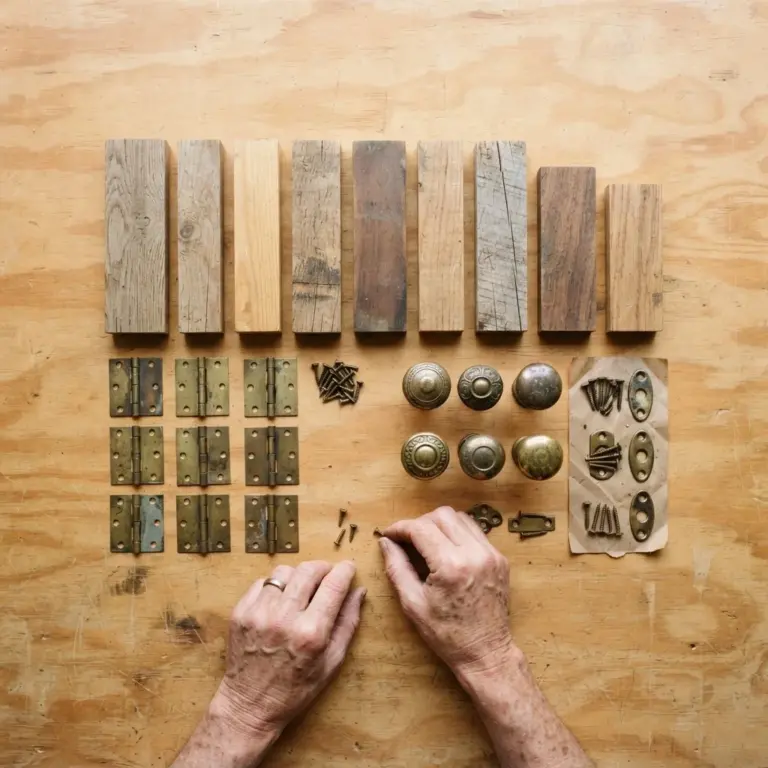
- Hobbyists and makers. Crafters, gardeners, and DIYers scoop up things other people see as junk: fabric scraps, half-used paint, broken electronics for parts, plant cuttings, scrap wood. What looks like trash to one person is raw material to another.
- Repeat “circulators.” Every group has a handful of members who seem to give and receive constantly. They’re not hoarding — they’re often the connective tissue of the group, regifting items they don’t need to someone who does, or picking things up specifically to pass along to a shelter, school, or neighbor who isn’t on the app.
- Curious lurkers who eventually jump in. A lot of members watch for weeks before ever posting or claiming anything. If you’re hesitant, know that this is completely normal — most people ease in slowly.
What ties these groups together isn’t income level so much as mindset: people who’d rather see something reused nearby than see it thrown away or sold for a few dollars they don’t really need.
Common Surprises First-Time Posters Run Into
If you’ve only ever sold things online or dropped bags at a donation bin, giving away items through a neighborhood group involves a different set of expectations. Here’s what tends to catch new posters off guard.
- Interest doesn’t always mean pickup. Ten comments doesn’t mean ten people who will actually show up. It’s common to work through several “winners” before the item finally leaves your porch.
- People will ask for things you didn’t think were worth posting. Empty jars, broken appliances “for parts,” single mismatched socks for craft projects — almost nothing is too small or too broken to be wanted by somebody. This surprises a lot of new members who assume only pristine items get claimed.
- Some groups discourage “curb alerts” without a story. A few communities want a sentence or two of context — why you’re giving it away, any quirks about the item — rather than a bare photo and one-word caption. It’s a small courtesy that a plain listing can miss.
- Bundling requests are common. Don’t be surprised if someone comments asking if you have “anything else going” while they’re picking up the item you posted. It’s not rude — it’s just how the culture works. You’re welcome to say no.
- Timing expectations vary by group. Some groups expect same-day or next-day pickup; others are fine with a week-long window. If you need it gone fast, say so directly in the post rather than assuming everyone will read your mind.
- Not everything gets claimed. Some posts just… don’t take. Oddly specific items, bulky furniture without delivery help, or things posted at an inconvenient time of day can sit unclaimed. Reposting later, sometimes with a better photo or clearer description, often does the trick.
Making Your Post More Likely to Get Claimed
A little effort on the front end saves a lot of back-and-forth later. Here’s what tends to separate a post that gets claimed in minutes from one that lingers for a week.
- Take the photo in decent light. A quick daylight photo, item facing the camera, beats a dark, blurry one every time. You don’t need a staged shot — just enough light to see what you’re offering.
- Describe condition honestly. “Works great, minor scratch on the side” builds more trust than a vague “good condition” that turns out to mean something else once someone gets it home. People come back to posters they trust.
- Give a pickup window up front. Instead of waiting for someone to ask, include something like “available for pickup Thursday evening through the weekend” right in the post. It cuts down on the comment-and-wait cycle.
- Mention size and weight for bulky items. If it takes two people to move a dresser, say so. This prevents a claimer from showing up alone and unable to take it, which just resets the whole process.
- Say why you’re giving it away, briefly. “Kid outgrew this” or “downsizing before a move” adds a little context that makes the exchange feel more like a neighborly favor and less like a transaction — which, in a way, it is.
- Be flexible about who gets it, but clear about how you’ll choose. If you want to prioritize based on need rather than speed, say so in the post itself (“will pick based on who can use it most, let me know a bit about your situation”) so nobody feels the process was arbitrary.
- Follow up if someone goes quiet. A single friendly nudge (“still interested? I can hold it until tomorrow evening”) clears up most no-shows without drama. If there’s no response, it’s fair game to move to the next person.
None of this requires special skill — just a little clarity and patience. The whole system runs on trust between neighbors who’ll probably interact again next month over some other item. Treat it that way, and you’ll find giving things away is often more satisfying than selling them ever was.