How to Score Free Building Materials for Home Projects
Where DIYers reliably find free lumber, tile, and hardware for weekend projects.
5 min readBy Priya Desai
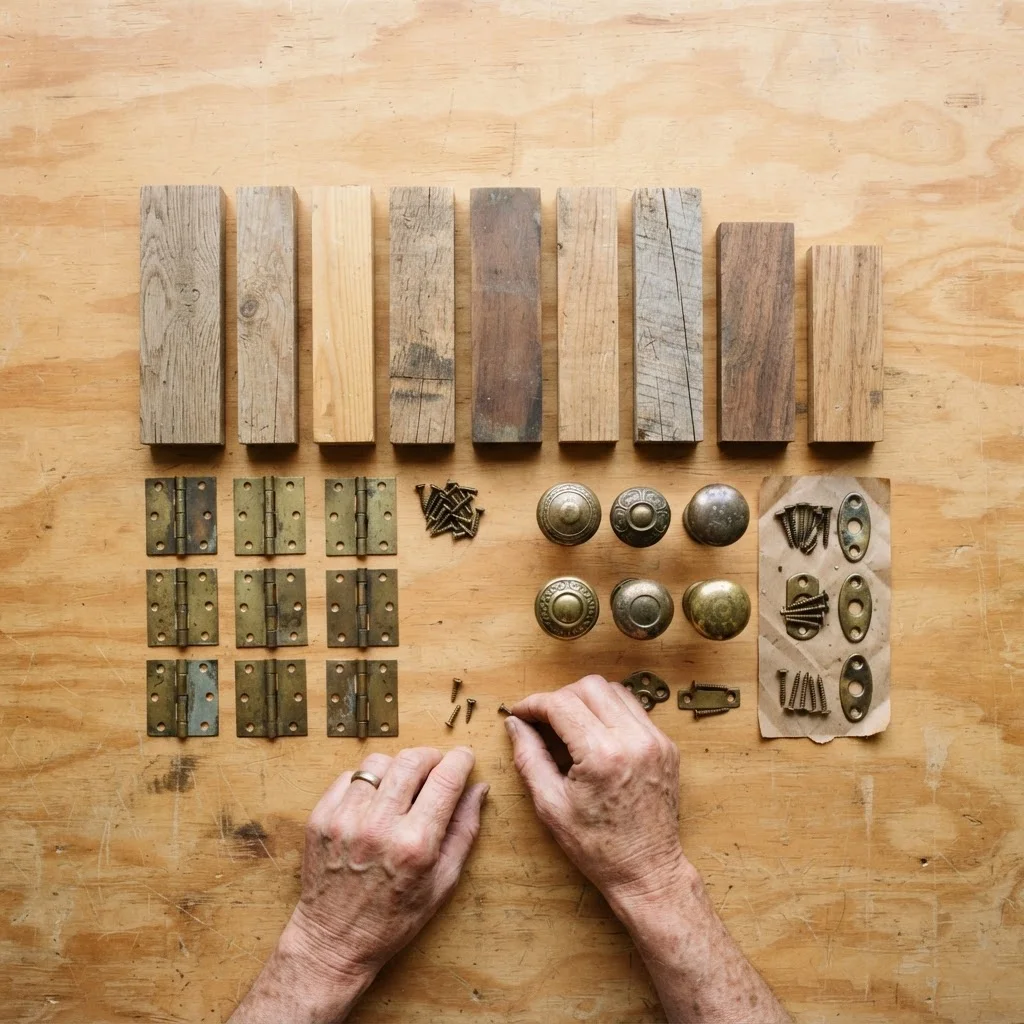
Table of Contents
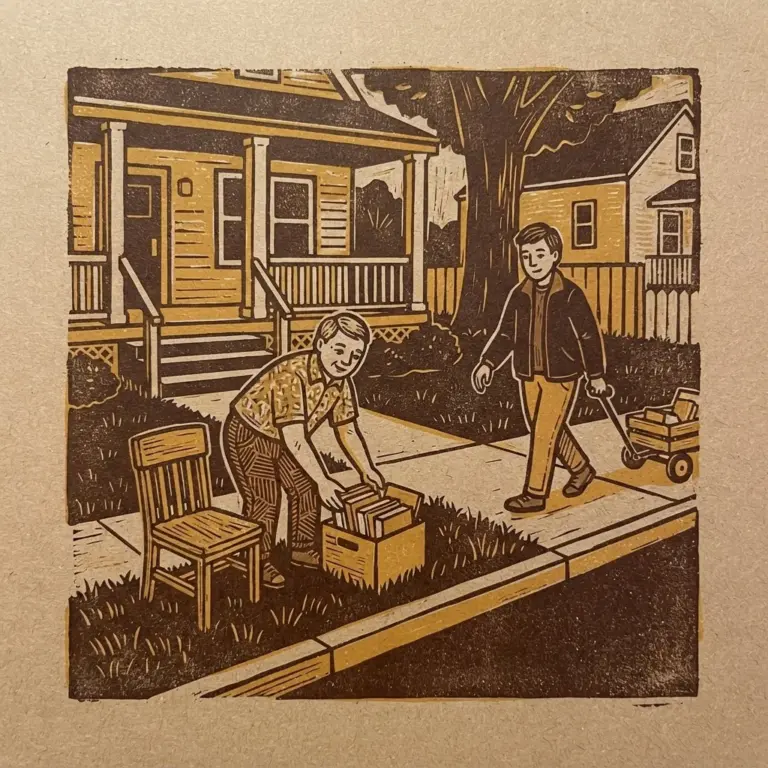
Every neighborhood has a quiet river of building materials flowing through it—leftover lumber from a deck rebuild, half a pallet of tile from a bathroom remodel, hardware nobody bothered to return. Most of it ends up in a dumpster simply because nobody asked. The trick to scoring free materials isn’t luck, it’s knowing where to look and showing up with a truck (or at least a plan) before the dumpster does.
Construction Site and Renovation Leftovers
Contractors overbuy on purpose. Lumber, drywall, tile, and trim are almost always ordered with a buffer so a crew never has to stop mid-job to run to the supply store. That buffer becomes waste the moment a project wraps, and most contractors would rather hand it off than pay to haul it away.
Your job is to get in front of that moment. A few ways to do it:
- Walk or drive your area on trash day and the day before. Renovation debris tends to pile up curbside before a bulk pickup. Usable lumber, doors, and cabinets often sit right on top.
- Talk to crews directly. If you see a dumpster in a driveway, it’s fair to knock and ask whether they mind you taking a look, or whether they’d rather you take specific items off their hands before the dumpster fills. Most workers are happy to have less to haul.
- Ask about “site cleans.” On bigger renovation or new-build jobs, there’s often a point where the crew clears out overage material before final inspection. Building a friendly relationship with a local contractor or subcontractor—even just one you’ve chatted with a few times—can get you a heads-up call when that day comes.
- Check with demolition crews before teardown. Older homes slated for demolition sometimes have solid doors, trim, flooring, or fixtures worth salvaging. Some demo companies allow a supervised walk-through before work starts; it never hurts to ask the site manager.
A little courtesy goes a long way here. Ask before you take anything, don’t leave a mess behind, and thank people even when they say no. Word travels between crews, and being known as the polite person who hauls things away for free is a reputation worth having.
Online Reuse Marketplaces Worth Checking Daily
The internet has basically automated the “one person’s trash” pipeline, but only if you check it often enough to beat the competition. Free building materials move fast online—good tile or solid lumber can disappear within an hour of being posted.
Places to build into your daily scroll:
- Local Buy Nothing groups. These neighborhood-based groups exist specifically for giving things away, and home improvement leftovers are a staple category. Posting what you need is also fair game—plenty of members would rather give lumber to a named neighbor than to a stranger on a bigger marketplace.
- Freecycle networks. One of the original free-stuff exchanges, still active in many cities, organized by region so you’re only seeing listings you can realistically pick up.
- Marketplace “free” sections on the major classifieds and social platforms. Filter by “free” and by category, and set up alerts for terms like lumber, tile, cabinets, flooring, or fencing.
- Community bulletin boards at hardware stores, laundromats, and libraries—still surprisingly active for “free to a good home” material posts, especially in smaller towns.
The daily habit matters more than the platform. Set a recurring five-minute check into your morning coffee routine, and respond fast with a specific pickup time when you see something you want. Vague “is this still available?” messages lose out to “I can be there by 4pm today” every time.
Habitat for Humanity ReStores and Similar Outlets
ReStores—run by local Habitat for Humanity affiliates—sell donated building materials, furniture, and appliances at a steep discount, with proceeds supporting home-building work in the community. Materials aren’t free here, but prices run well below retail, and it’s worth including in a roundup on scoring materials because it’s the natural next stop once the free sources dry up for a particular project.
Beyond ReStore, look for:
- Local salvage yards and architectural reclamation warehouses, especially in cities with a lot of older housing stock. These often carry doors, windows, trim, and fixtures pulled from renovations, priced far below new.
- Nonprofit building material reuse centers. Several cities run their own version of ReStore, sometimes tied to a local environmental nonprofit rather than Habitat. A quick search for “building material reuse center” plus your city will usually turn one up.
- Clearance and open-box sections at big box hardware stores. Not free, but worth checking regularly—returned tile, mis-tinted paint, and dented hardware get marked down hard and sometimes given away if a staffer likes you and it’s about to be tossed.
Call ahead if you’re hunting for something specific, like a particular size of window or a run of matching tile. Staff and volunteers at these outlets often know what’s arriving before it hits the floor, and a good relationship with them can mean a phone call when your item shows up.
Storing Salvaged Materials Until You Need Them
The hardest part of free materials isn’t finding them—it’s resisting the urge to take everything, and then storing what you do take so it’s actually usable when your project rolls around. Salvaged materials that sit outside uncovered or get stacked wrong tend to warp, rust, or rot before you ever get to them.
A few habits that keep salvage from turning into clutter:
- Keep lumber flat and off the ground. Stack boards on a couple of scrap 2x4s or cinder blocks so air can move underneath, and cover the stack loosely with a tarp to shed rain without trapping moisture.
- Sort hardware into labeled containers immediately. Screws, hinges, and brackets that get dumped into one bucket “to sort later” almost never get sorted. Five minutes with a marker and some jars or bins saves hours of digging down the road.
- Store tile and stone on edge, not flat. Stacking tile flat in tall piles risks cracking the bottom pieces. Vertical storage in a crate or against a wall spreads the weight more evenly.
- Only take what you have a real plan for. It’s tempting to grab a whole pallet of “might use someday” material, but unused salvage takes up garage space, blocks your car, and eventually becomes its own disposal problem. A rough rule: if you can’t name the project it’s for within a season, let it go to the next person instead.
- Track what you have. A simple running list—on paper, in a notes app, whatever sticks—of what’s stored where saves you from buying something new that’s already sitting in your shed.
Free materials are one of the best-kept secrets of budget-conscious home improvement, but they reward people who show up consistently, ask nicely, and store what they collect with a little care. Put in that small bit of effort and you’ll rarely pay retail for lumber, tile, or hardware again.